Welcome Flows and Double Opt-in vs Single Opt-in: Pros, Cons & What Actually Works

24 Feb 2026
Sreerag
12 Minutes
Read
Building an email list is easy. Building a high quality subscriber list that drives engagement, protects sender reputation, and supports long term revenue? That’s strategy.
Your welcome email flow is the first impression subscribers get after signing up. And the structure of your email subscription process whether you use double opt-in or single opt-in directly impacts:
This guide breaks down the pros and cons of double opt-in, the advantages and disadvantages of single opt-in, and how modern email validation tools and automation platforms can help you strike the perfect balance between conversion rate vs list quality.
What Is a Welcome Email Flow?
A welcome email flow (also called an email welcome sequence) is a series of automated onboarding emails triggered immediately after someone subscribes.
It typically includes:
Modern platforms like Mailchimp, HubSpot, Klaviyo, ActiveCampaign, and ConvertKit allow you to build advanced behavioral email automation and triggered email campaigns that personalise the subscriber experience.
But before automation begins, you must decide:
Double opt-in vs single opt-in which is better?
Double Opt-in vs Single Opt-in: What’s the Difference?
With a single opt-in, a user fills out a lead capture form and is immediately added to your list.
No confirmation step. No second click.
Single opt-in favors volume over quality.
What Is Double Opt-in?
With double opt-in, after filling out a form, the user receives a signup confirmation email and must click a link to confirm their subscription.
Only confirmed users are added to your email list.
Double opt-in favors engagement over volume.
Does Double Opt-in Reduce Conversions?
Yes, slightly.
But here’s the bigger question:
Would you rather have:
When marketers focus only on list growth numbers, they ignore email data quality metrics.
A clean list improves:
How Double Opt-in Improves Deliverability
ISPs and platforms like Google and Microsoft analyse sender behavior.
If your emails generate:
Your domain reputation drops.
Double opt-in reduces these risks by:
This directly impacts your marketing funnel optimisation.
Your signup confirmation email isn’t just a technical verification step, it’s part of the subscriber onboarding journey. A poorly written confirmation email can reduce completion rates dramatically and cost you qualified subscribers.
That’s why we break this down in detail in the blogs :
Confirmation Emails: Common Mistakes and How Validation Helps,
The Marketer’s Handbook to Email List Hygiene & Growth
where we explain how real-time email validation APIs, smarter copywriting, and friction reducing design can improve confirmation rates without hurting conversions.
Can Email Validation Replace Double Opt-in?
Not exactly but it can significantly enhance either strategy.
Using email validation in signup forms powered by a real-time email validation API tools helps detect:
Tools like Zero Bounce and Gamalogic provide real-time and bulk email verification solutions that integrate into your CRM or marketing automation workflow.
When combined with double opt-in, validation creates a powerful filter.
When combined with a single opt-in, it reduces fake subscribers dramatically.
Double Opt-in vs Single Opt-in for SaaS
For SaaS and subscription based businesses:
Double opt-in is often the better choice.
Why?
If your business relies on product led growth, quality matters more than raw list size.
How to Build a High Converting Welcome Flow
Regardless of opt-in method, your email welcome sequence should:
Don’t just say “Welcome.”
Give a quick win.
Use behavioral email automation and dynamic content.
Explain what subscribers will receive and how often.
First email: instantly
Second email: 24–48 hours
Third email: based on engagement
Integrate:
This improves both engagement and compliance.
Many brands overload their welcome email flow with unnecessary information. But shorter, sharper emails consistently outperform long winded introductions.
If you want to simplify your automated onboarding emails while improving reply rates and engagement, read Write Less, Get More: The Minimalist’s Guide to Email Response. It explains how clarity increases conversions without increasing volume.
Email Consent Compliance: What You Must Know
GDPR does not strictly require double opt-in, but it strongly supports proof of consent.
Double opt-in:
For CAN-SPAM compliance, clear opt-out and identification are mandatory regardless of method.
If you operate in regulated industries, double opt-in is safer.
Engagement vs Volume Strategy: Which Wins?
Let’s compare.
| Factor | Single Opt-in | Double Opt-in |
| Conversion Rate | Higher | Slightly Lower |
| List Quality | Medium | High |
| Spam Risk | Higher | Lower |
| Deliverability | Riskier | Stronger |
| Long-Term Revenue | Unstable | Sustainable |
If your strategy prioritises:
How to Prevent Fake Subscribers (Without Killing Conversions)
You don’t have to choose one extreme.
Smart marketers combine:
This hybrid approach improves:
For More Info Read :
👉 The Marketer’s Handbook to Email List Hygiene & Growth
It explains how to clean an email list, remove invalid emails, and improve email open rate systematically.
Internal Reading for Smarter Automation
To deepen your strategy, explore:
Especially if you want to simplify your welcome emails while improving response rates, the minimalist approach can significantly increase engagement.
FAQ: Double Opt-in vs Single Opt-in
Yes, it typically increases initial signup rates because there is no confirmation step.
Yes. It significantly reduces fake and low quality signups.
Double opt-in is usually better for SaaS due to improved engagement and trial quality.
No. Validation verifies the email exists. Double opt-in verifies user intent. Together, they create the strongest system.
Pros: higher quality, better deliverability, compliance support.
Cons: slightly lower initial conversions.
Pros: faster growth, less friction.
Cons: higher spam risk and potential deliverability issues.
Final Takeaway: Choose Quality First
Your email list growth strategy should not focus only on numbers.
It should focus on:
The smartest marketers use:
✔ Smart validation
✔ Strategic opt-in selection
✔ Automated onboarding emails
✔ Clean data
✔ Continuous optimisation
Want to Improve Your Welcome Flow Today?
Start building a list that opens, clicks, and converts not one that silently damages your domain reputation.
Because in email marketing automation, quality always beats quantity.


Poor data quality not only hinders your ability to reach the right audience but can also tarnish your brand's reputation and lead to costly consequences. In this article, we'll explore the importance of data quality, common quality issues, and strategies to ensure your email marketing efforts are fueled by informed decisions based on accurate and reliable data.
Cold email for recruitment agencies is often written off as spammy, outdated, or ineffective—usually by agencies that never built the right systems to support it. In reality, cold email still works exceptionally well when it’s done with intention, relevance, and solid infrastructure. This article breaks down what actually works in recruitment cold email, based on real-world outreach experience and proven recruitment strategies.
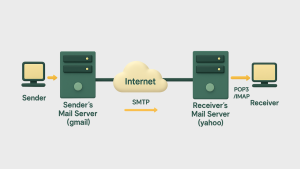
This blog unpacks the Simple Mail Transfer Protocol (SMTP)—the digital postal service responsible for delivering your messages. From technical roots to modern applications, discover how this foundational protocol powers seamless communication across the web.




 No credit card required





Post your Comment.